Let Alone the One You Love
To Be Loved Is to Be Understood
The Story Behind the Artwork
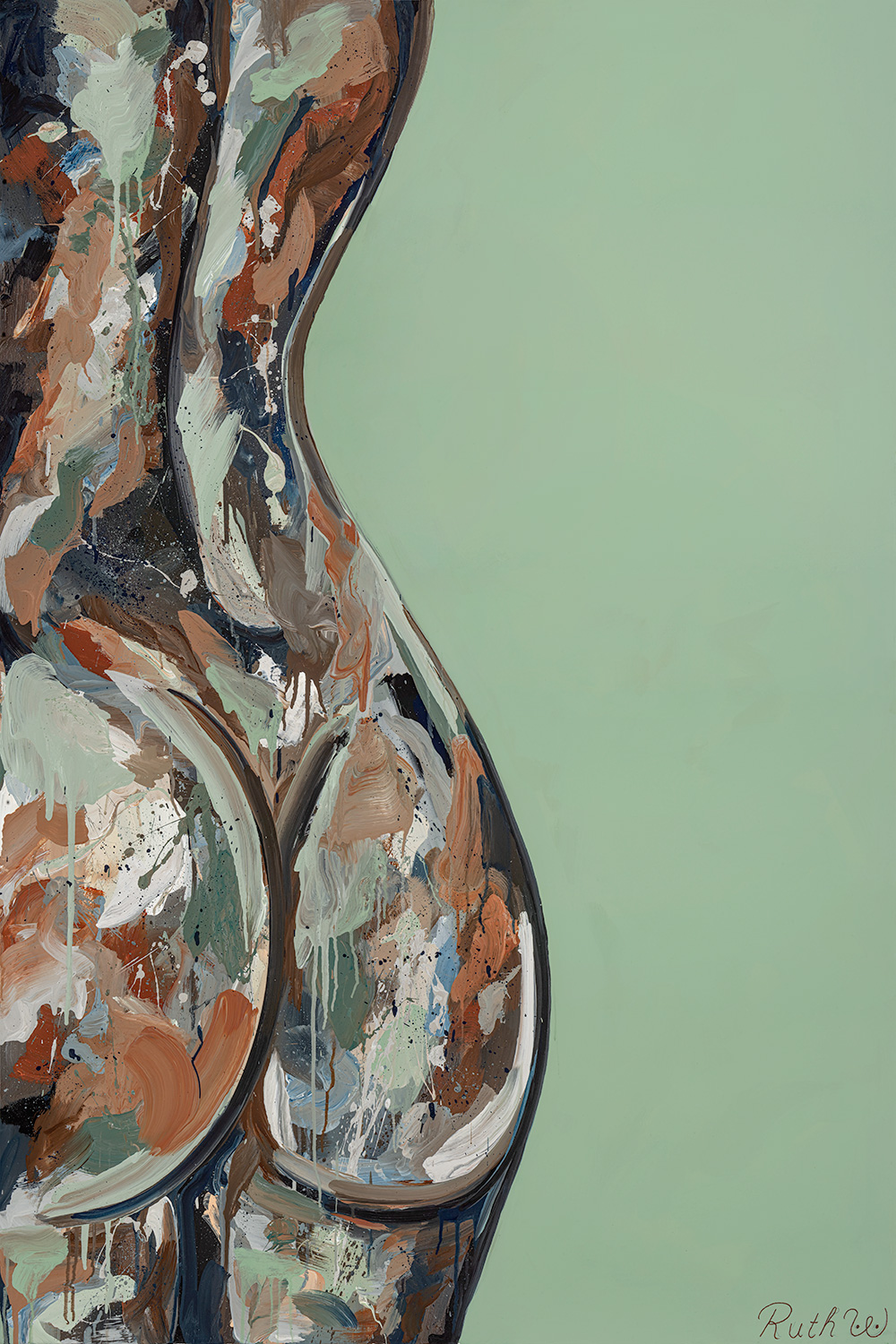
This piece is inspired by the song ‘Let Alone the One You Love’ by Olivia Dean. With a particular focus on how she articulates that when something is not working at the level it needs to be, it is due to a lack of understanding rather than a lack of effort. This painting speaks to the disappointment of believing that emotional maturity, honesty and self-awareness would lead to a relationship being met without having to constantly translate your needs.
The work developed from an interest in the emotional tension that emerges when women feel persistently misunderstood within relationships. It reflects the impulse to explain oneself in order to truly be seen. It portrays the exhaustion of having to articulate layers not identity and intimate history in the hope that shared understanding will create closeness. It echos Esther Perel’s conclusion that intimacy is not sustained by closeness along, but by the feeling of being recognised without having to abandon oneself in the process.
To be truly understood often requires vulnerability, but vulnerability without safety just becomes raw exposure. This painting focuses on the internal reckoning that follows heartbreak rather than confrontation. The moment clarify replaces effort, and stepping away becomes an act of self trust.
Visual elements
This painting captures a moment of discernment through restraint rather than emotional outburst. The figure is composed, her posture reflects withdrawal without defeat, signalling self containment. The work resists the expectation that emotional truth must be performed in order to be validated.
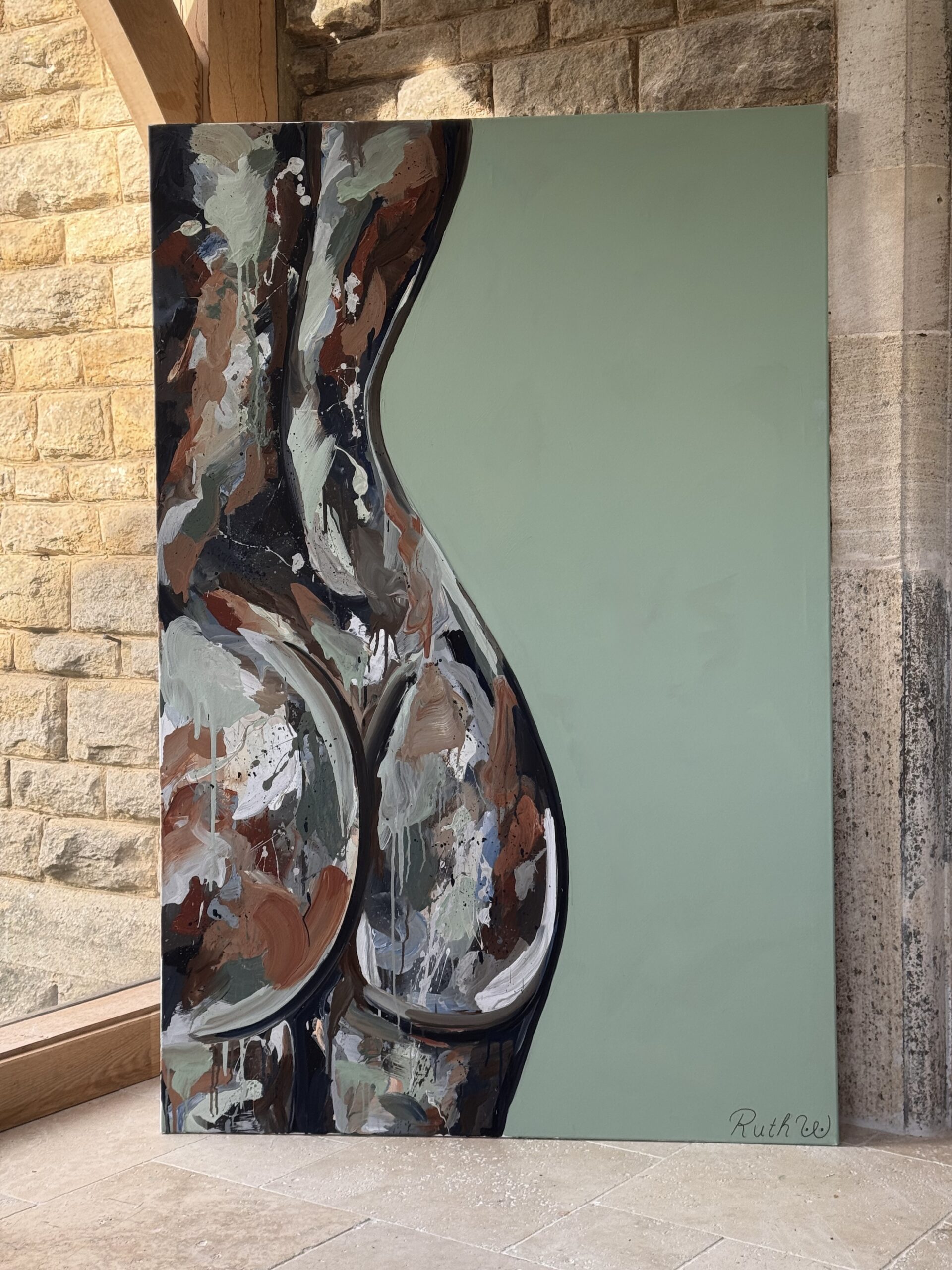
The cropped composition reinforces this boundary. By withholding the complete view of the figure, the painting refuses over-explanation and challenges the assumption that visibility guarantees understanding. As Byung-Chul Han writes "the demand for transparency is an expression of distrust". In this context, partial visibility becomes a form of agency rather than concealment.
Negative spaces creates pause rather than absence, allowing us as the viewer to remain in the moment. The figure steps out of the canvas just as she steps out of the role she no longer occupies.
The colour palette is predominantly soft greens, chosen for their association with growth and internal expansion. Rather than signalling rupture, the palette communicates clarity and acceptance. What existed is acknowledged without drama: it was a genuine connection, but it could not hold the full scale of who she is.
Meaning and intent
This work considers the moment a woman recognises that love can exist without understanding. Remaining in that dynamic often requires self erasure. It reflects patterns in which affection is present yet recognition is not. As Esther Perel says "too often we confuse love with being needed, rather than being known". This distinction sits at the centre of the painting.
The painting holds the recognition that intimacy should not require negotiation of self worth or emotional over exposure in order to remain close to someone. Olivia Dean's line "well I'm not having it babe" becomes a statement of self recognition, not of anger. In this sense, the work is not about rejection, but about return. It is a return to internal alignment and the understanding that intimacy should expand a person rather than asking them to shrink. Walking away here is the refusal to disappear in love.
Display recommendations
Living with this painting is an act of recognition. It speaks to those who value emotional intelligence, self awareness and boundaries. Owning this piece is to acknowledge that this moment of clarity exists materially in your space.
To understand what you want from a relationship and choose to surround yourself with objects that reflect that understanding. A reminder to keep your standards high, this piece becomes an anchor in your home.